 |
 |
|||||||||||
 |
 |
 |
|
|||||||||
 |
|
|||||||||||
 |
 |
 |
|
|||||||||
 |
|
|||||||||||
 |
 |
 |
 |
 |
|
|||||||
 |
|
|||||||||||
 |
 |
 |
 |
|
||||||||
|
|
|
|
|
|
|
|
|
|
|
|
|
|
|
|
|
 |
|
||
 |
 |
 |
|
 |
|
||
“LEGEND LAKE: A TALKING CIRCLE”
Respectful Dialogue to Reduce Indian/Non-Indian Tensions over LandTerra Institute’s “Communities in Conflict” program focuses on communities which experience conflicts over land rights. The objective is to encourage the understanding of different perspectives on these land rights.
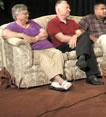
This theme is explored through the production and distribution of a 34 minute documentary “Legend Lake: A Talking Circle” filmed in Menominee Reservation/County of northeastern Wisconsin in 2010.
The video is accompanied by a set of study materials for helping secondary school and college teachers as well as community members and researchers utilize the video for supporting discussions about the themes of the video.
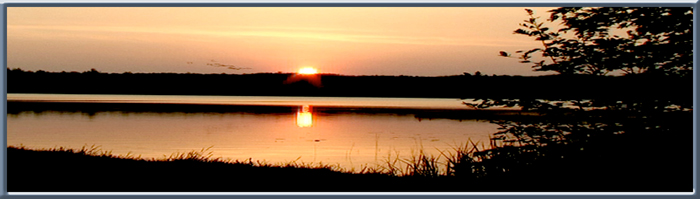
The documentary video recounts the saga of Legend Lake, a beautiful 5,160 acre lake development, formed by joining 9 smaller lakes in the Menominee Indian Reservation (with the same boundaries as Menominee County) in northern Wisconsin whose shore-land was subdivided and sold mostly to non-Menominee people. Legend Lake represents another chapter in the long and often contentious relationship between American Indians and non-Indians in Wisconsin.
Why and how the lake came into being, what land issues have arisen and what might be done to manage them is the subject of this video and related reference materials which build on the video’s themes. While the documentary is instructive in its own right, the packet of study materials provides teachers, students and community members with more information for greater understanding of the differing perspectives on land in the Legend Lake area.
Terra Institute has supported the efforts of the producer, director and writer of the documentary --Mark Anthony Rolo-- the photographer and editor --Robert Breitenbach-- and several Menominee and non-Menominee people to express their different perspectives on the Legend Lake development. A focus group involving teachers from local schools and the University of Wisconsin devised discussion questions to support teaching of the video. Our team then prepared an outline for a One Day Lesson Plan and a suggested Four Day Lesson Plan along with a set of reference materials for assisting teachers use the video.
Financial support was received from Terra Institute, the Wisconsin Humanities Council and the National Endowment for the Humanities for the preparation of the suggested one day and four day lesson plans.
The Indian Land Tenure Foundation has also provided support for the efforts to acquaint teachers and administrators with the video, suggested lesson plans and other land tenure information.The video and accompanying materials offer no solutions. They do not take sides. But they do demonstrate that people with different life histories are willing to respect each other and learn from each other and even come to an agreement as to possible courses of action.
“LEGEND LAKE: A Talking Circle”
is also available for purchase by Mail Order
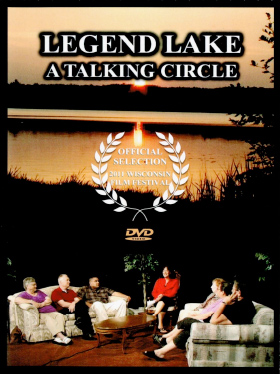
If you want more information or wish to support this effort, please contact:This 2 DVD set is intended for use in educational and community settings. The set includes Disc One which is the 34 minute video documentary. Disc Two contains study materials including: an Introduction and Producer Notes for all viewers of the video; Suggested Lesson Plans for Teachers using the video (see top of page for one or four day lesson plans); and a Community Discussion Guide for community viewing and discussion of the video. There is also a Chronology which presents a brief summary of significant events in the history of Legend Lake. The Chronology also makes links with Reference Documents which provide more details about the events cited in the Chronology. In most cases we have included original historical documents rather than interpretations of such documents.
David Stanfield at Terra Institute: jdstanfi@terrainstitute.org or +(608) 767-3449